

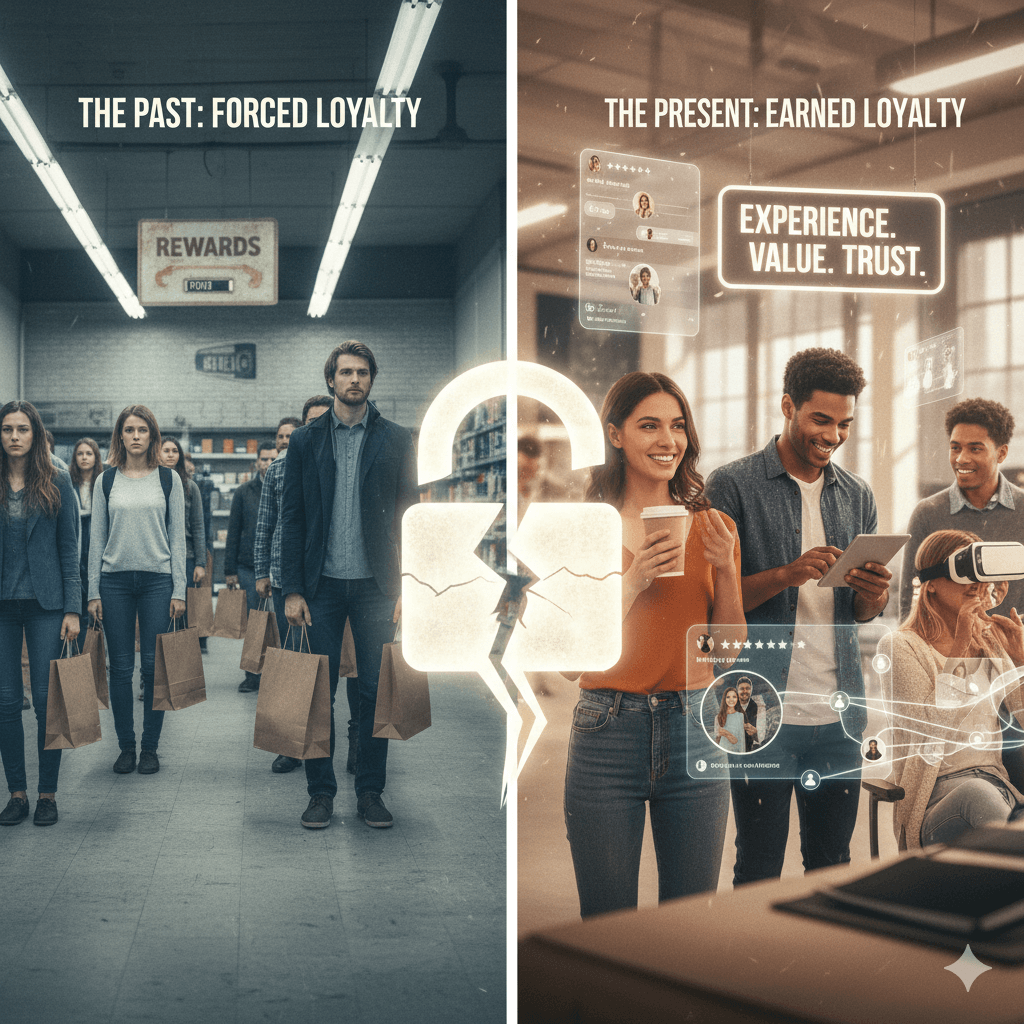
In the age of instant gratification, unlimited choices, and digital marketplaces, businesses are asking an uncomfortable question: Has customer loyalty become a thing of the past? While once a cornerstone of business success, loyalty today seems fragile, fleeting, and hard to earn. Understanding why this shift is happening—and what it means for brands—is crucial for surviving and thriving in a hyper-competitive world.
The Changing Face of Customers
Customer behavior has evolved dramatically over the past decade. With smartphones, e-commerce platforms, and social media, information and alternatives are always at customers’ fingertips. A person shopping for groceries online can compare prices, delivery times, and product reviews in seconds. Similarly, app-based services for food, rides, or banking allow users to switch providers with a single click. This accessibility has made customers more transactional than loyal. They prioritize convenience, price, and experience over long-term attachment. In other words, brands are no longer evaluated purely on reputation or heritage—they are constantly measured against the competition in real time.
Loyalty is No Longer Guaranteed
Traditional loyalty programs—points, cashback, and membership perks—used to bind customers. But these strategies are losing effectiveness. Studies show that a majority of consumers today belong to multiple reward programs, using whichever offers the best value at the moment. Brand allegiance now often depends on immediate benefit rather than emotional connection. Consider the example of streaming platforms. A decade ago, subscribers were loyal to cable providers. Today, people freely switch between Netflix, Amazon Prime, Disney+, and local platforms based on content availability, price, or free trials. Even in retail, customers are not attached to one store; they hop between online marketplaces like Amazon, Flipkart, and niche e-commerce portals to get the best deal.
Why Customer Loyalty Still Matters
Despite these changes, loyalty hasn’t disappeared entirely—it has evolved. Modern loyalty is less about blind attachment and more about experience, value, and trust. Customers are willing to stick with a brand if it consistently meets their expectations, solves problems, and respects their time and preferences. Apple is a classic example. While smartphone users could easily switch to Android devices, many continue buying iPhones due to ecosystem convenience, seamless integration, and emotional attachment to the brand. Loyalty today is more earned than given, built on meaningful interactions rather than points alone.
Building Loyalty in the Modern Era
For brands, retaining customers requires a shift from transactional tactics to strategic engagement:
1.Exceptional Customer Experience: Fast service, personalized communication, and problem-solving can make customers stay longer.
2.Transparency and Trust: Being honest about pricing, data usage, and policies builds credibility.
3.Community Building: Brands that create a sense of belonging—through social media groups, events, or shared values—can foster emotional loyalty.
4.Continuous Innovation: Products or services that evolve with customer needs keep users engaged.
5.Data-Driven Personalization: Using AI and analytics to anticipate customer needs allows brands to deliver relevant offers and recommendations, increasing repeat interactions.
6.Brands that fail to adapt often see customers leave for competitors—even those with decades of market presence.
The Role of Digital Disruption
Technology has accelerated the erosion of loyalty. With app-based comparisons, peer reviews, influencer endorsements, and instant gratification, switching costs are almost zero. For millennials and Gen Z, loyalty is conditional—it depends on immediate satisfaction rather than legacy or nostalgia. However, digital tools also provide brands the opportunity to rebuild loyalty differently. Personalized offers, AI-driven engagement, and social listening allow businesses to understand customers deeply and provide timely, meaningful experiences. Loyalty is no longer automatic; it’s co-created with the customer.
Conclusion
So, has customer loyalty truly become a thing of the past? Not entirely. It hasn’t vanished—it has transformed. Customers are less forgiving of mistakes, quicker to switch, and more value-driven than ever before. But loyalty still exists when brands invest in exceptional experiences, transparency, personalization, and emotional connection. The era of passive loyalty is over. Today, loyalty must be earned, nurtured, and constantly reinforced. Brands that recognize this shift and adapt their strategies will not only survive but thrive, turning fickle customers into lifelong advocates. In short, loyalty hasn’t died—it’s just smarter, faster, and more demanding than before.